
Why There Are No Cars in Venice: the Story of Piazzale Roma
Cars in Venice don’t circulate because the city is built on an archipelago of islands linked by bridges, where the narrow streets were designed for people on foot and water has always been the main means of communication and transport.
Anyone arriving must therefore stop at the edge of the historic city. The arrival point is Piazzale Roma, the area where anyone driving into Venice ends their journey by car. From there, every route continues on foot, by vaporetto or by boat.
A city born on the water
Venice arose more than fifteen centuries ago on an archipelago of small lagoon islands, joined over time by hundreds of bridges. Its streets, the calli, are often just a few steps wide, winding and broken up by steps and stone bridges. No vehicle could travel along them: this is why cars have never found a place in Venice.
By the time the automobile appeared, the city was already complete in its current form. There was no room to carve out new roads for vehicles within the historic fabric. The absence of cars in Venice therefore stems from the very shape of the lagoon city itself, the result of a thousand-year history carefully preserved to this day.
Piazzale Roma, the city’s water gate
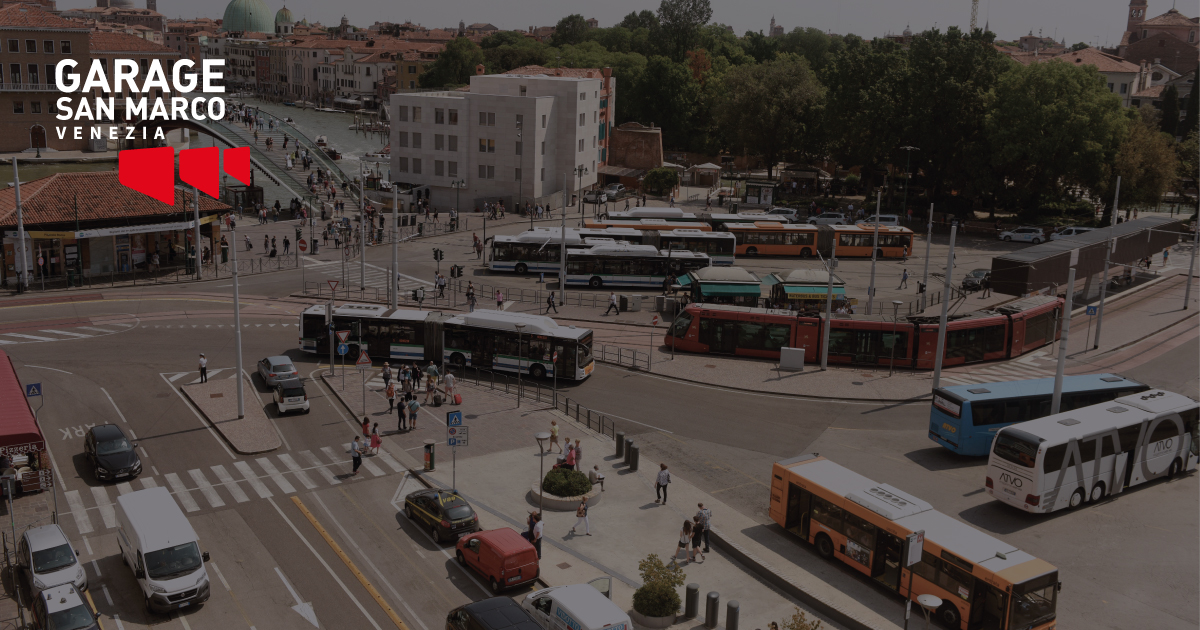
The Ponte della Libertà, opened in 1933, brings cars into Venice across the lagoon. Its terminus is Piazzale Roma, the point where every road journey ends to make way for water. From here, you can only continue on foot, by vaporetto or aboard a water taxi.
Over time, facilities dedicated to parking and traveller services grew up around the square. Garages welcome those arriving in the city by car, offering a secure place to leave their vehicles before exploring Venice. Piazzale Roma has thus become the city’s true water gate, a daily hinge between the road network and the lagoon, and the final stop for cars in Venice.
How people and goods get around
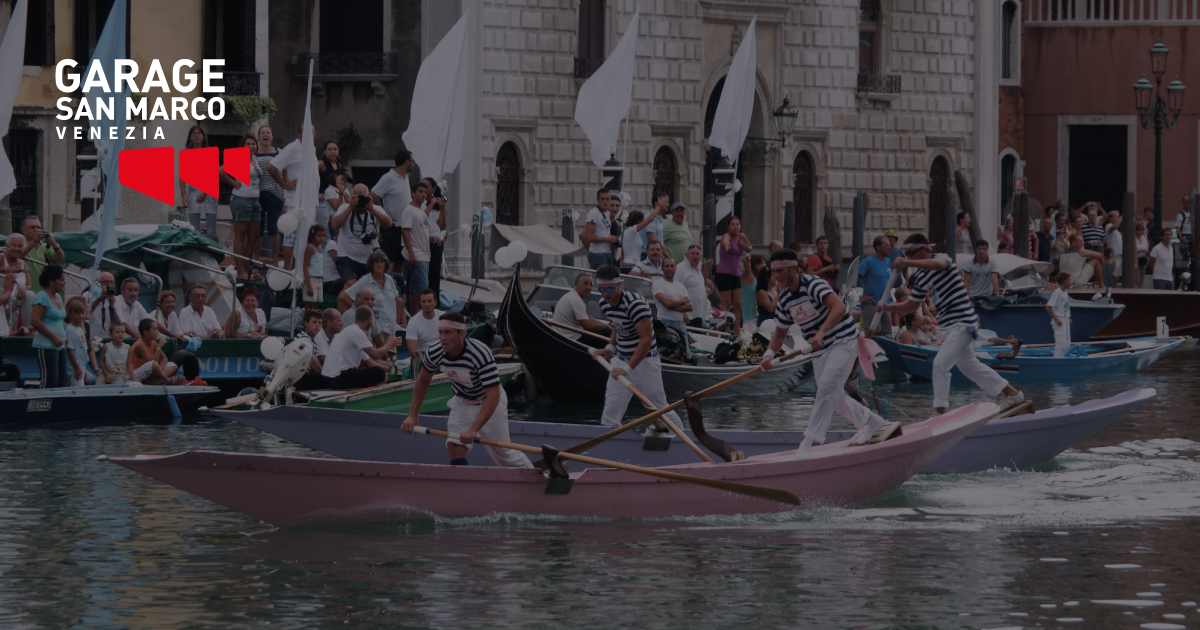
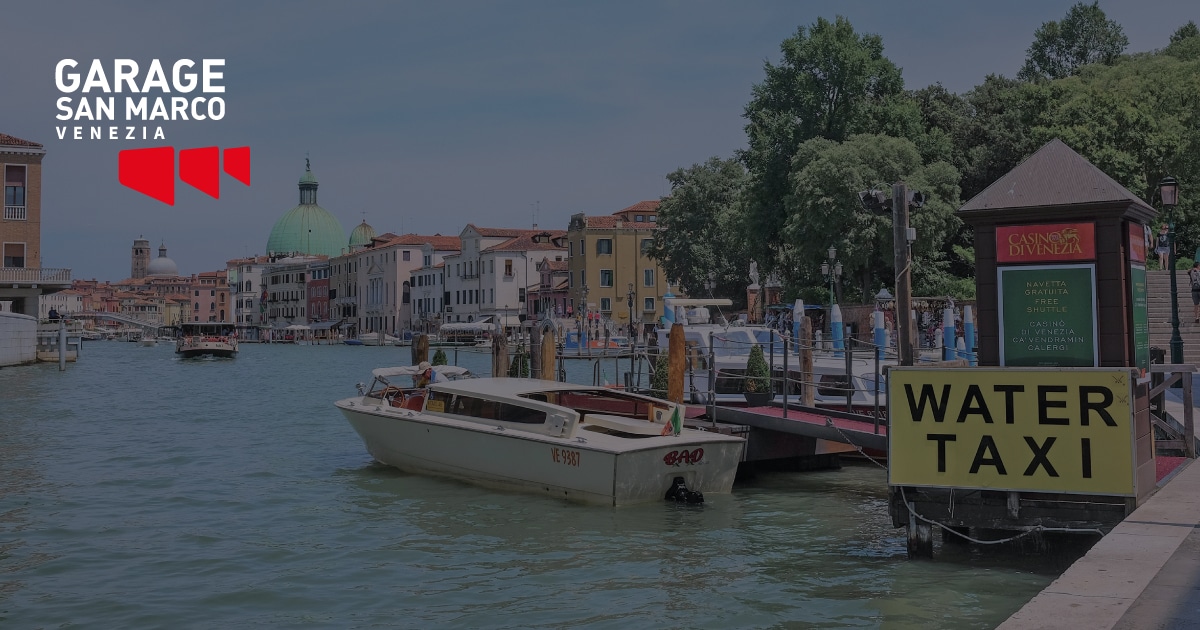
Living without a car in Venice means, for residents, covering kilometres every day between narrow streets, bridges and squares, often without even noticing. For longer journeys there are the vaporetti, the lagoon’s public transport, which serve the same function as city buses. Water taxis and gondolas complete a mobility system that runs entirely on water.
Daily logistics follow the same water-based rule too. Goods travel on working boats that supply shops, restaurants, hotels and building sites along the canals. There are water ambulances, fire brigade boats, police vessels and boat couriers for deliveries: every service that elsewhere requires a van travels by water in the lagoon.
Where to leave your car in Venice
Anyone driving into Venice finds guarded garages at Piazzale Roma, staffed day and night. Among these, Garage San Marco has welcomed visitors since 1955, the year it opened right on the square, and by 1964 it had already significantly expanded its capacity.
Today the building offers nine hundred parking spaces spread across eight floors, with round-the-clock custody and an electric vehicle charging service. Leaving your car in Venice means choosing a secure solution for cars in Venice, allowing you to enjoy your visit worry-free, just a few steps from the vaporetto stops and the heart of the historic city.
A car-free Venice, a unique case in the world
Venice is considered one of the largest car-free urban areas in the world. Other historic centres have introduced pedestrian zones, but none combines this scale, this history and this complexity. Walking through the calli means passing through a place where the noise of engines has never entered and where time moves at a walking pace.
For visitors, the difference is immediate: no car horns, no traffic lights, no queues. What remains is the lapping of water, footsteps on the stone paving and voices in the small squares. This is why the question of why there are no cars in Venice continues to fascinate travellers and curious minds from all over the world.
Frequently asked questions
Are cars banned in Venice?
The urban layout, made up of canals, bridges and narrow streets, makes it impossible for motor vehicles to travel through the historic centre. Cars in Venice only reach as far as Piazzale Roma and Tronchetto.
How do goods reach the city?
Everything travels on working boats: food, parcels and building materials reach shops and homes along the canals every day. Ambulances, police and fire services also operate using dedicated water vehicles.
Where is it best to park when arriving in Venice?
The most convenient option is a guarded garage at Piazzale Roma, such as Garage San Marco, with active custody twenty-four hours a day and within walking distance of the vaporetto stops heading to the historic centre.
Experiencing the city at a walking pace
The reason cars don’t circulate in Venice stems from the city’s own history: built on water, it has preserved its unique structure through the centuries. The calli belong to pedestrians, the canals to boats, and this balance makes every visit a one-of-a-kind experience.
If you’re planning a trip, leave your car with Garage San Marco: book your parking space at Piazzale Roma and start exploring the city worry-free, with the certainty of round-the-clock custody in the heart of Venice.
Read also: Water Taxi in Venice: What It Is, How to Book It and How Much It Costs